

"Overview"
Instituted by a wise person in the fifteenth century in India, Yogi Swatmarama, hatha yoga has long been identified as the “stairway to the heights of raja.” With that, this yoga classification is the elementary level of physical cleansing in order for the body to be prepared in performing the more advance degree of meditation. This ancient religious practice is composed of two words, “ha” and “tha” meaning sun and moon.
This yoga classification points out to nadis, a principle of energy channels, that has to be wholly functional in order for one to achieve a state of samadhi. Samadhi has four impediments namely abhinivesha (fondness of the world), asmita (egoism), avidya (ignorance) and raga- dvesha (all likes and dislikes). In another note, this ancient religious practice treads on similar beliefs with raja including creed observances and moral limitations.
"History"
A lot of have been associating the origins of hatha yoga with Gorakhnath, a guru in the 10th or 11th century. However, there is an evidence that the oldest complete account of this yoga classification is in the book entitled Pradipika authored by Yogi Swatamarama. If you can obtain a copy, you will discover that the text have been derived from the early Sanskrit language which may be very complicated to translate.
The first ever resource of hatha yoga contains information about mudras, shatkarma, nadis, asana, kriyas, pranayama, bandhas, chakras and kundalini, to enumerate a few. These topics are also covered in institutions that center in this yoga classification such as the one established by Tirumalai Krishnamacharya who taught until his death in the year 1989. His famous students are Pattabhi Jois, B.K.S. Iyengar, T.K.V. Desikachar and Indra Devi.
"Concept"
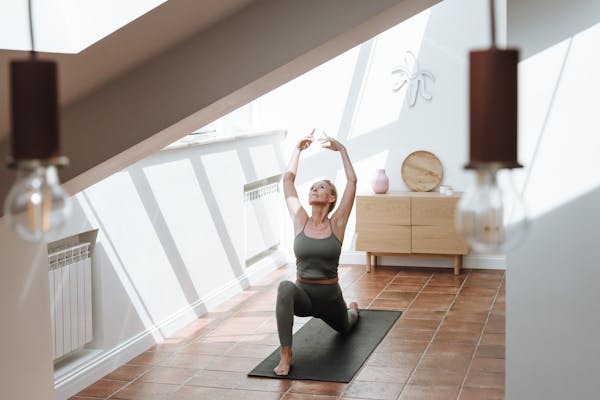
The traditional form of hatha yoga looks into the holistic aspect comprising of physical exercises and moral disciplines. Meditation, controlling of the breath and postures are only some of the facets zeroed in by this devanagari classification. When you head to the western coast, this ancient religious practice is dominantly concentrated on the asanas, varied positions of the body in relation to divinity, when performing calisthenics.
As what was mentioned earlier, hatha yoga is closely connected with raja because both yoga classifications tend to the external culture. Both are called as ashtanga which has eight parts namely yama, niyama, asana, pranayama, pratyahara, dharana, dhyana and samadhi. The difference of the two lies in the longer period of reflection while being in a lotus stance (padmanasa) and easy stance (sahajsana), among the others.
Hatha Yoga Certification Home Study
So you’ve decided to be a yoga instructor yet you don’t actually have the time to attend weeks or months of yoga trainings, or spend free time away from family and obligations, or you may simply be burdened with the requirement of paying a fairly large amount for the certification class.
Many aspiring yoga practitioners have found this to be a daunting hindrance to their goals and dreams of becoming a certified yoga teacher; however, Hatha yoga certification home study program has met the needs of a lot of hopeful yoga practitioners. Additionally, through today’s Internet technology, online training programs from yoga instructors are now readily available as well.
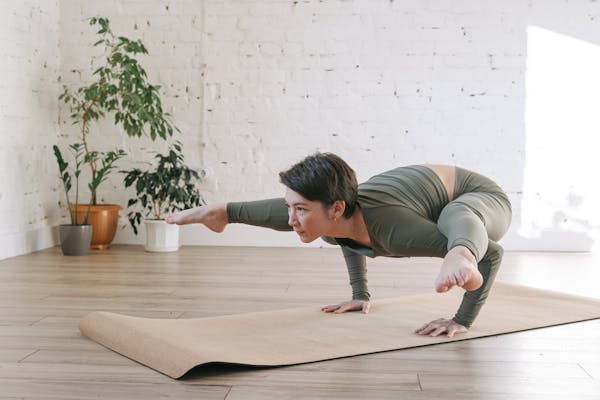
Hatha yoga certification home study lessons have existed for quite some time now, as the financial burden and inconvenience of “flying-off” to one part of the world just to get specialized training and certification for yoga teachers has become somewhat an unattractive option for a lot of yoga practitioners. So the solution has become Hatha Yoga certification home study lessons, which are of course far more suitable and sensible.
So what does a yoga practitioner need to look for in a Hatha yoga certification home study? There are some basic things that should be present in a Hatha yoga certification home study, one of which is a minimum of two-hundred hours of study, which is the generally granted minimum prerequisite for the majority of certification organizations for yoga teachers. Another important factor is that the study should include comprehensive teachings such as chakras, bandhas, mudras, kriyas, doshas, meditation, asanas, Pranayama, contraindications, modifications, the subtle body, anatomy, and physiology.
These days, the DVD has also become the most common international video format for yoga home studies, so videos for yoga certification are usually contained in DVD format as well; in some cases where one had a yoga teacher in his or her previous yoga class, can always turn to them for guidance if DVD video lessons become a somewhat challenging task. Being a former yoga student is also an advantage as one is able to easily grasp concepts demonstrated in yoga certification videos, allowing a smoother process in the home study certification lessons.
Finally, there should be aptitude of being able to turn in given written assignments on- time through emails, as it helps in speeding-up the process of one’s yoga instructor certification, as well as assists in getting phone or email tutoring. Choosing Hatha Yoga certification home study is generally convenient for a lot of people, but becoming certified still lies within every home study student.


0 Comments